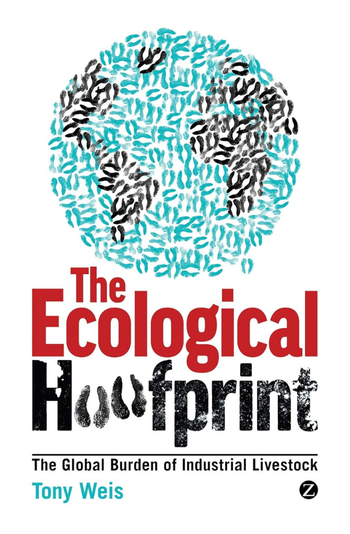
Featuring important works authored by partners and collaborators within the Food with Benefits ecosystem
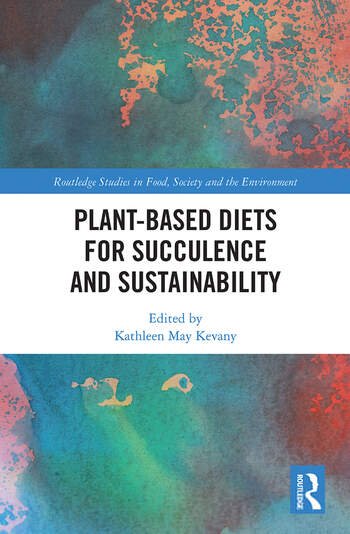
By Kathleen Kevany
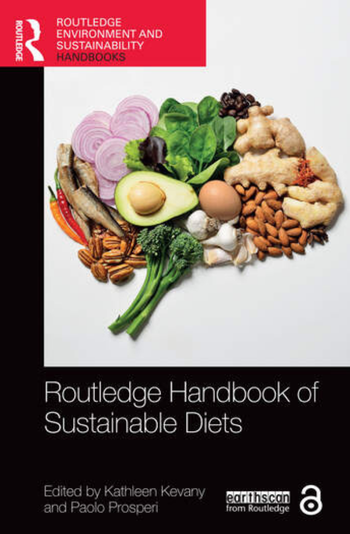
By Kathleen Kevany, Paolo Prosperi
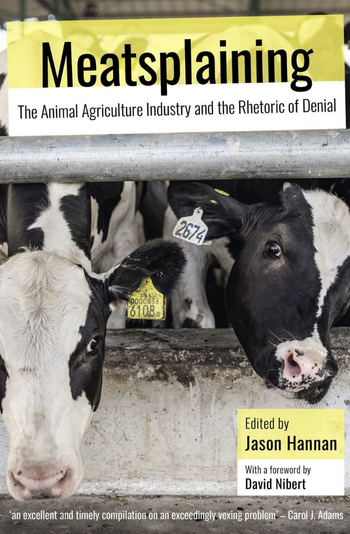
By Jason Hannan
By Jason Hannan in Routledge Handbook of Sustainable Diets
The following represents funding that has directly supported the work of the Food with Benefits team and its collaborators
Title: Mobilizing for nourishment – Sustainable diets in practice
Outcomes: Outcomes of this grant include the creation and promotion of a 55-chapter Handbook (The Routledge Handbook of Sustainable Diets) of the most comprehensive action plan on sustainable diets to date, as well as the sustainable diet webinar series that worked to build greater awareness and recognition of the impact of food, research experts across diverse fields along specialists across public institutions, and community organizations by also providing an expanded toolkit and policy proposals for adapting to their diverse jurisdictions to reorient food systems and re-invigorate food menus and food environments driven by sustainability principles and practices
Mitacs Accelerate Proposal Streamlined Application Mitacs-SSHRC Joint Initiative
Public summary: In this project, we seek to better understand how communications about the ethical considerations in favour of adopting policies that encourage people to eat more plant-based foods in healthcare settings are received by policymakers, and how these communications can most effectively overcome barriers to appreciating the cogency of these ethical considerations. Our focus will be on what we call ‘plant-forward nudge policies’, which encourage people to choose plant-based foods by increasing their visibility and making their advantages more salient, rather than by changing what options are available or the financial incentives behind the options. The work of this project will consist of designing and carrying out three studies, involving semi-structured interviews with the following groups: Advocates in study 1, and policymakers in study 2. In study 3 we use data from study 1 and study 2 to suggest hypotheses about the most effective ways of communicating about the ethical advantages of plant-forward policies, and test them in specialized interviews presenting communications to a new set of policymakers. Our aim is for these studies to generate both evidence and further fruitful questions concerning effective ways of communicating about the ethical advantages of plant-forward nudge policies, both in healthcare settings and beyond. We think that these studies will help to stimulate interest in the more general enterprise of the empirical examination of the efficacy of ways of presenting ethical arguments for policies that help transition countries like Canada and the US to a healthier, less resource-intensive, and more sustainable food system.