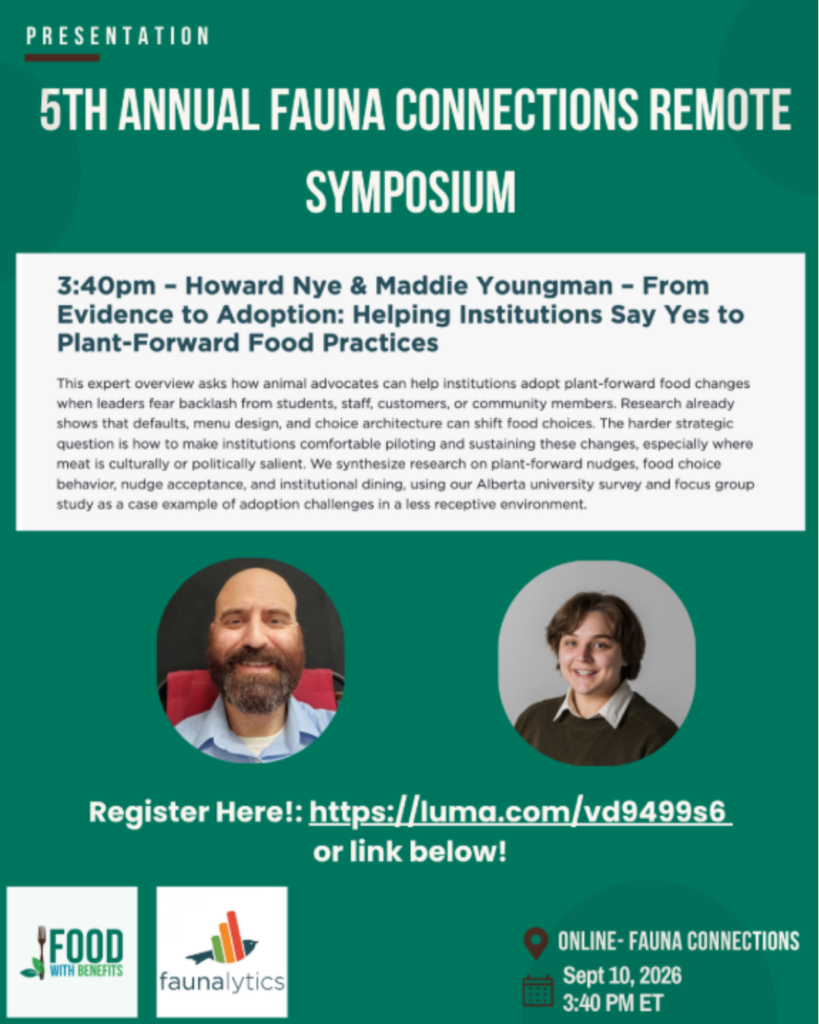
This expert overview asks how animal advocates can help institutions adopt plant-forward food changes when leaders fear backlash from students, staff, customers, or community members. Research already shows that defaults, menu design, and choice architecture can shift food choices. The harder strategic question is how to make institutions comfortable piloting and sustaining these changes, especially where meat is culturally or politically salient. We synthesize research on plant-forward nudges, food choice behavior, nudge acceptance, and institutional dining, using our Alberta university survey and focus group study as a case example of adoption challenges in a less receptive environment.

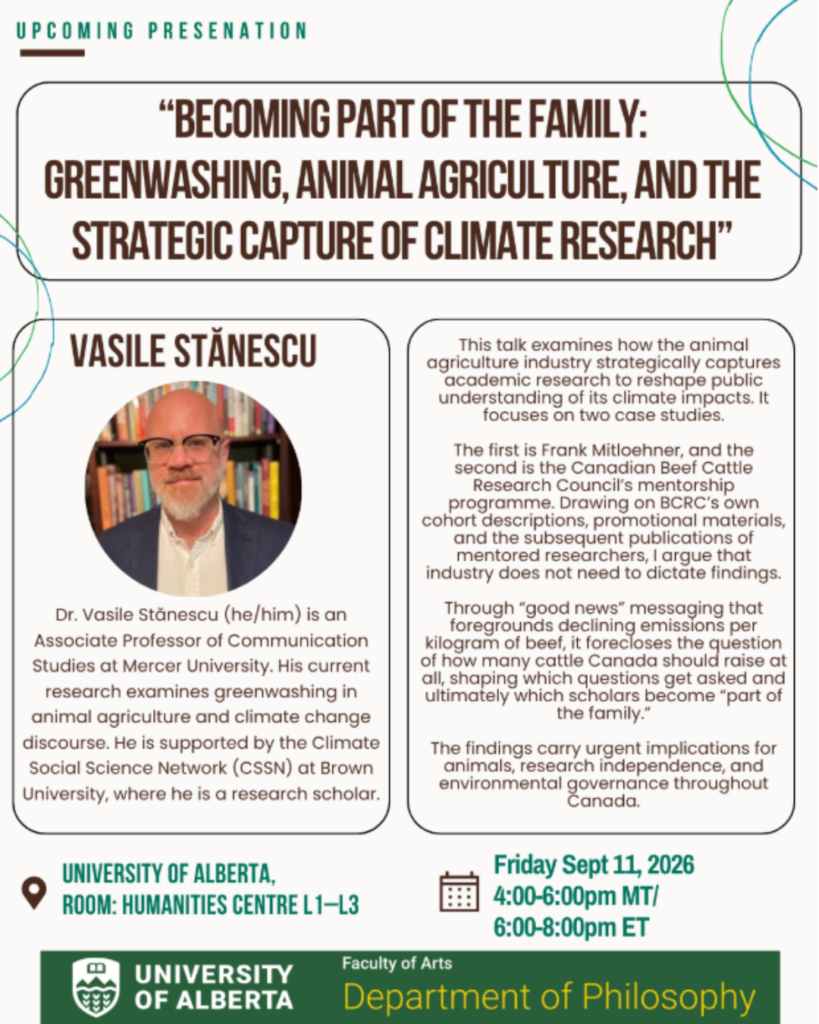
This talk examines how the animal agriculture industry strategically captures academic research to reshape public understanding of its climate impacts. It focuses on two case studies. The findings carry urgent implications for animals, research independence, and environmental governance throughout Canada.
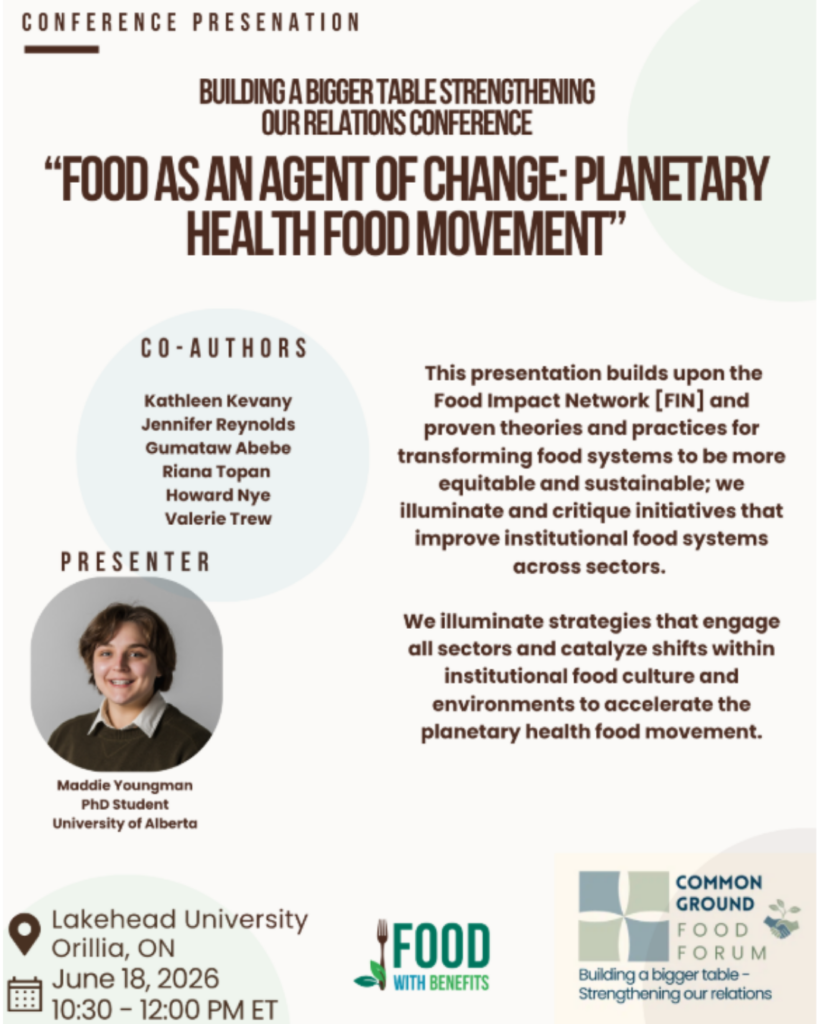
This presentation builds upon the Food Impact Network [FIN] and proven theories and practices for transforming food systems to be more equitable and sustainable; we illuminate and critique initiatives that improve institutional food systems across sectors. We illuminate strategies that engage all sectors and catalyze shifts within institutional food culture and environments to accelerate the planetary health food movement.
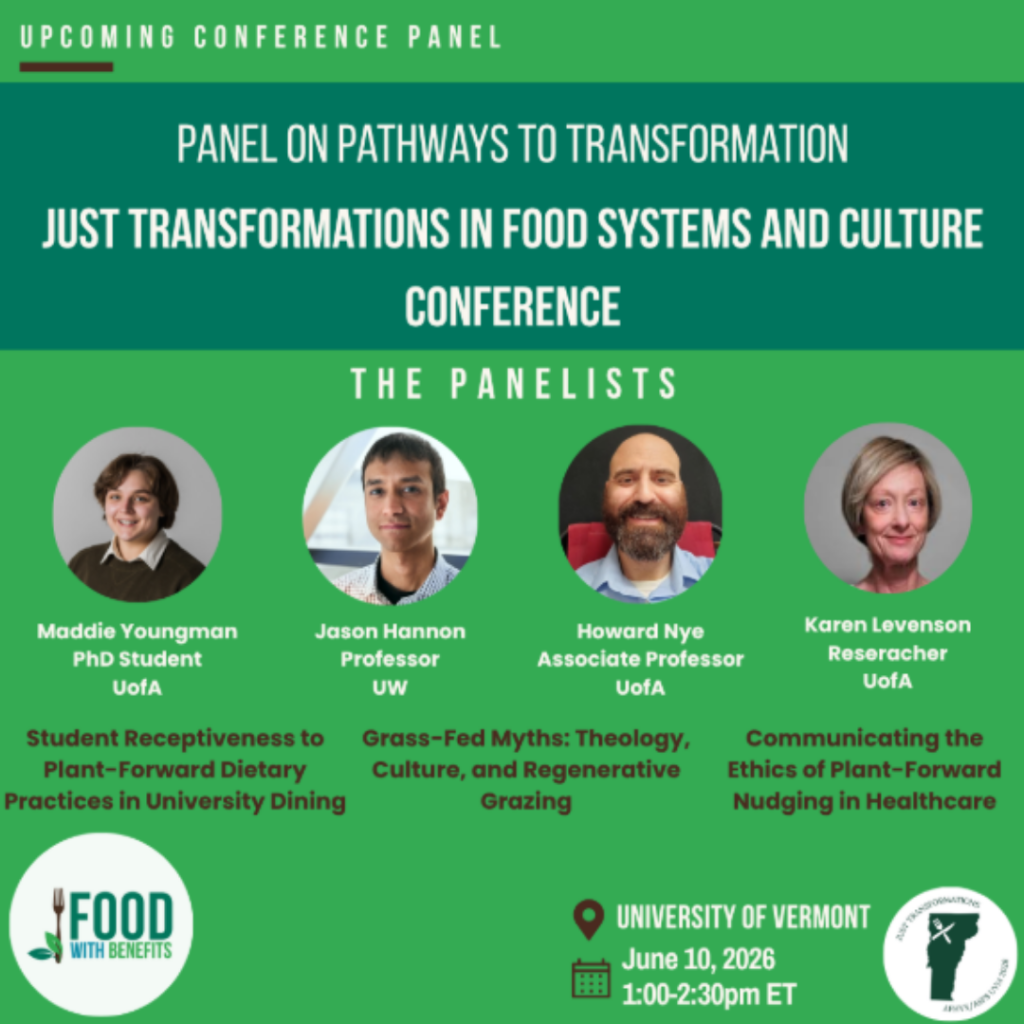
The topics of the talks consist of: Study results on Student Receptiveness to Plant-Forward Dietary Practices in University Dining, Study results on Communicating About the Ethics of Plant-Forward Nudging in Healthcare Settings, and an analysis of Grass-Fed Myths: Theology, Culture, and Regenerative Grazing!
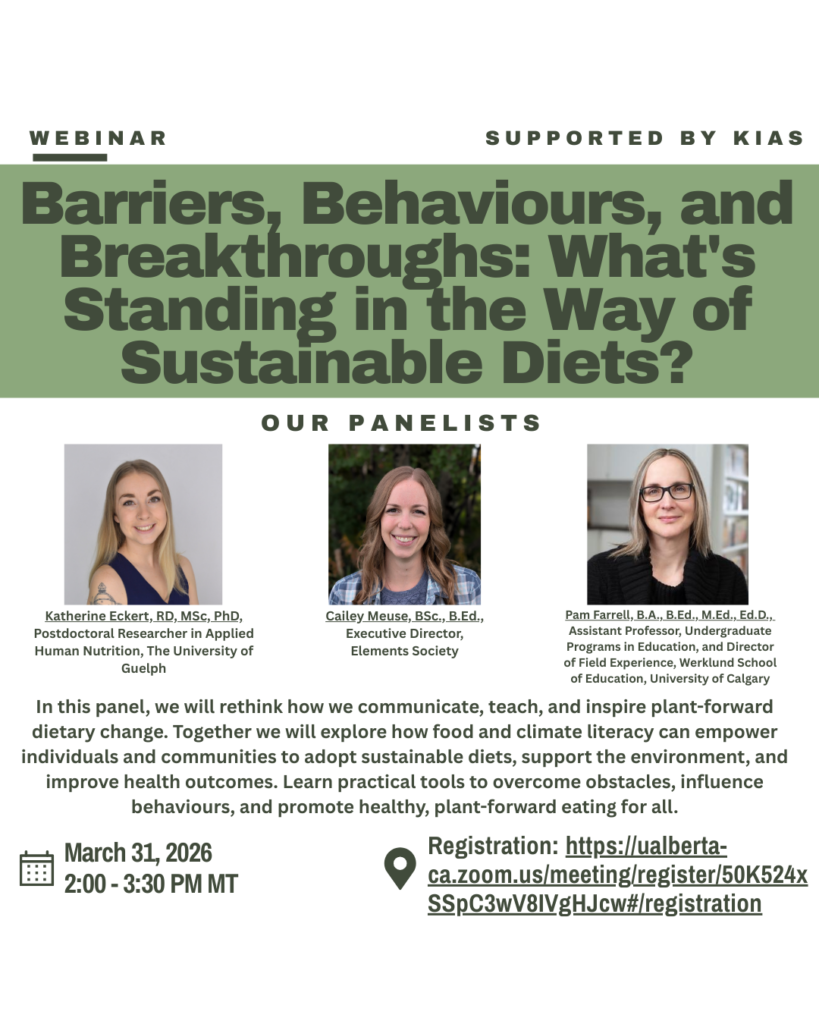
Sponsored by the Kule Research Terms grant from the Kule Institute for Advanced Study. In this panel, we will rethink how we communicate, teach, and inspire plant-forward dietary change. Together we will explore how food and climate literacy can empower individuals and communities to adopt sustainable diets, support the environment, and improve health outcomes. Learn practical tools to overcome obstacles, influence behaviours, and promote healthy, plant-forward eating for all.
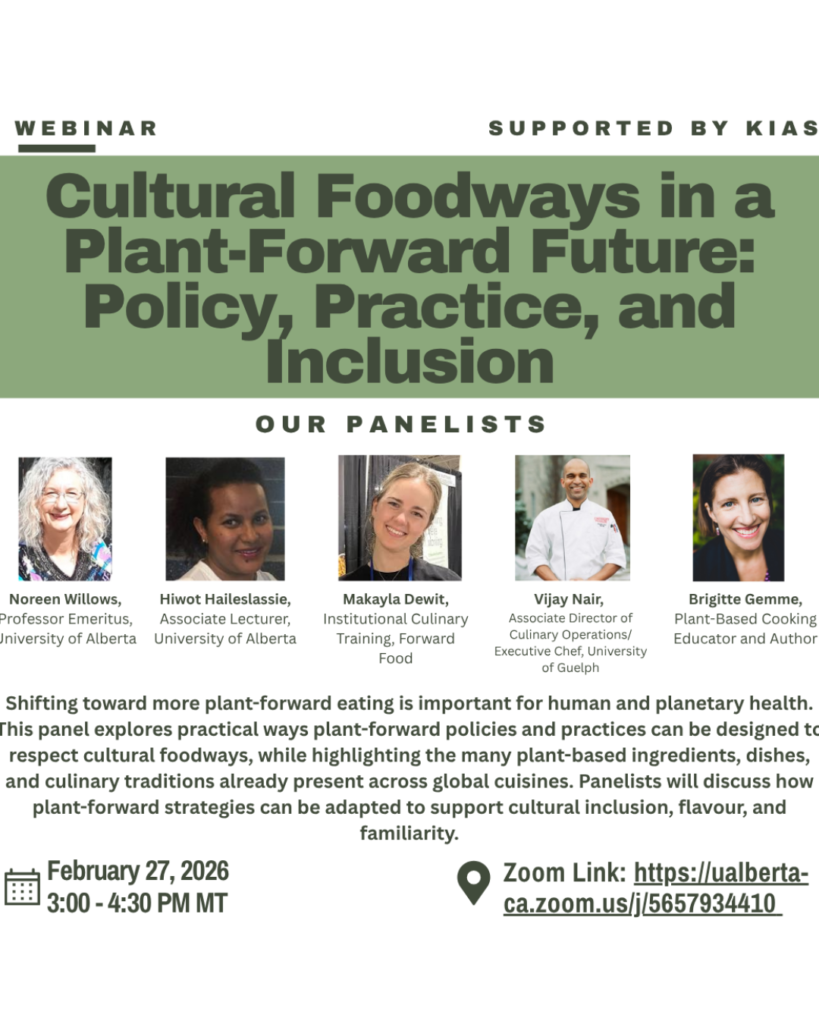
Sponsored by the Kule Research Terms grant from the Kule Institute for Advanced Study. Shifting toward more plant-forward eating is important for human and planetary health. This panel explores practical ways plant-forward policies and practices can be designed to respect cultural foodways, while highlighting the many plant-based ingredients, dishes, and culinary traditions already present across global cuisines. Panelists will discuss how plant-forward strategies can be adapted to support cultural inclusion, flavour, and familiarity.
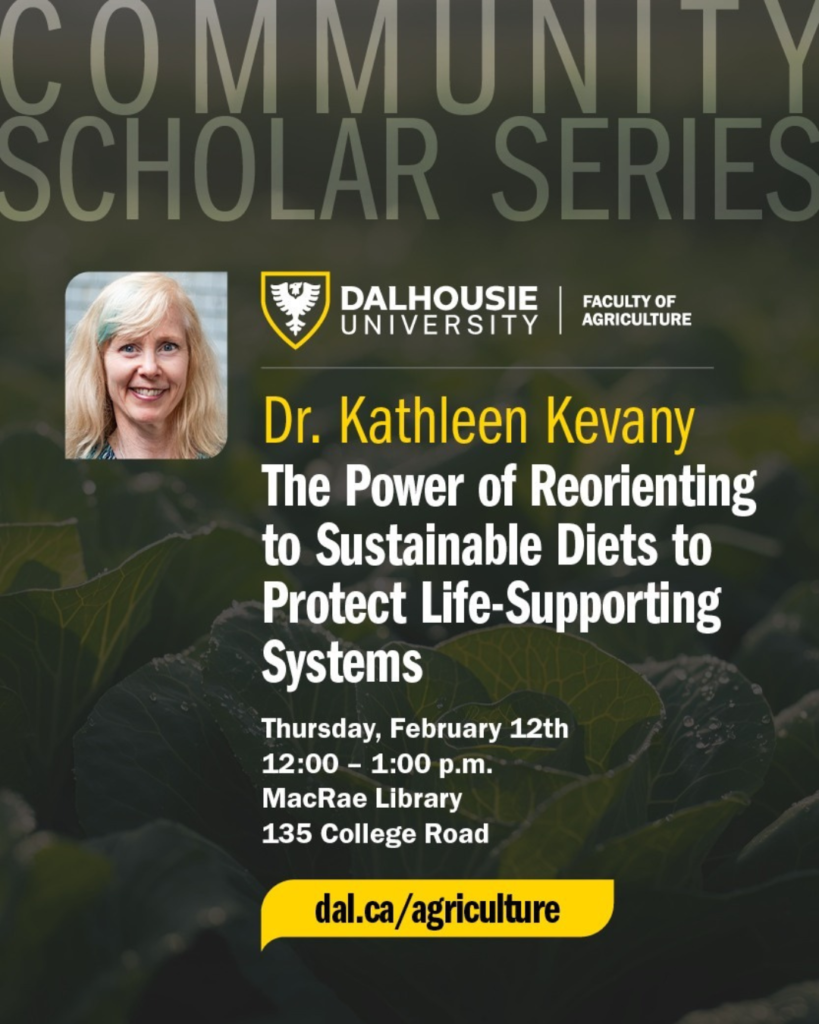
Humans are facing compounding and interconnected health, environment, and equity crises. The best lever to improve human, animal, and planetary health is sustainable food. Come discuss how shifting food environments opens proven strategies for reducing global warming while enhancing health and well-being.
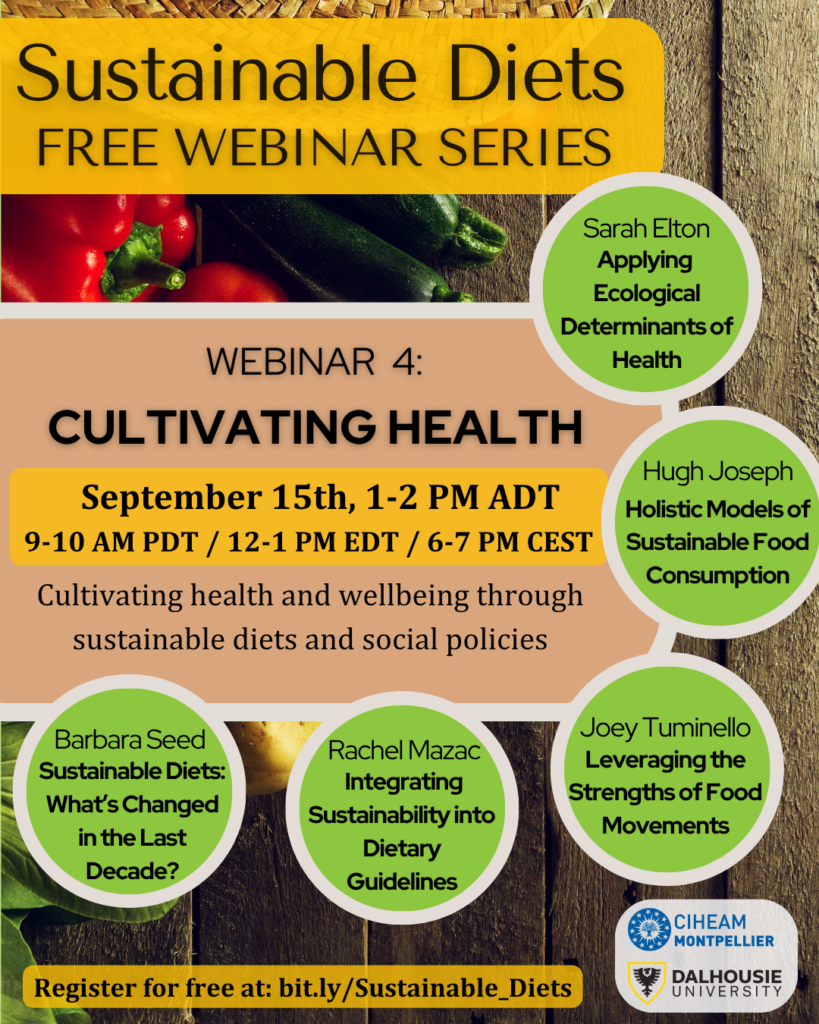
Human health is deeply connected to food, in obvious and not-so-obvious ways. Learn about research that connects the dots between food, sustainability, and health.
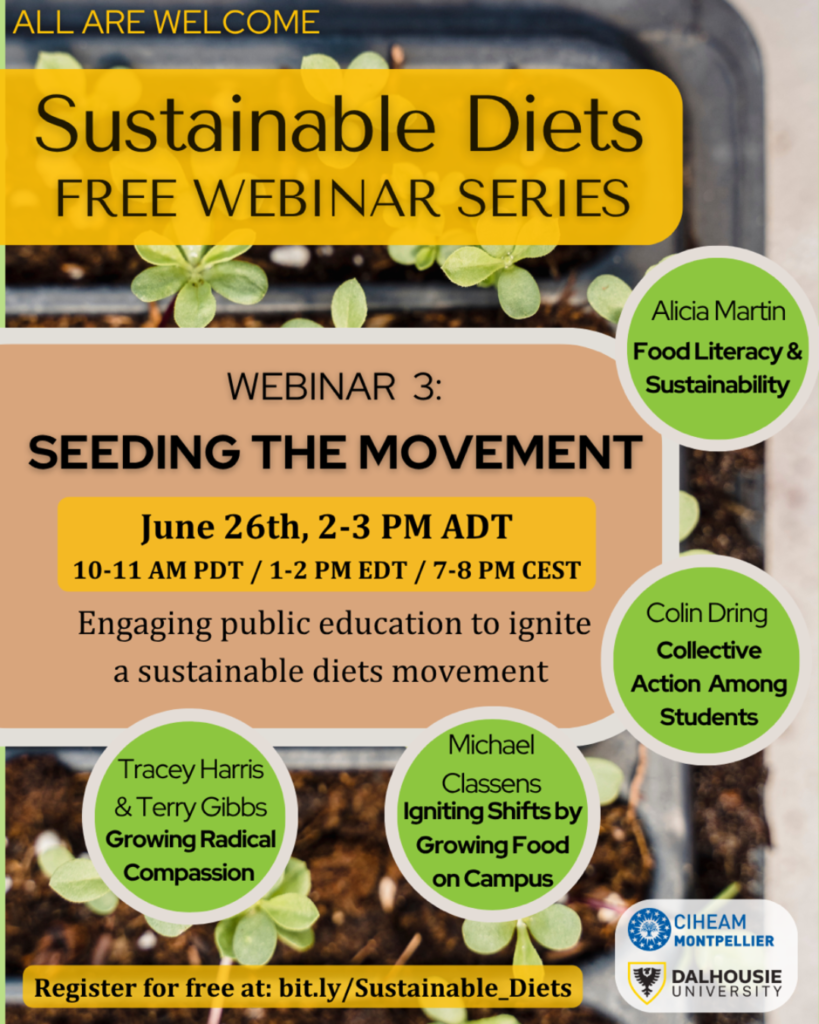
Sustainable diets have the potential to change the world – but how do we make them a reality? Join this webinar to discuss public engagement, education, narrative-shifting, and other strategies to support communities in pursuing healthy and just food.
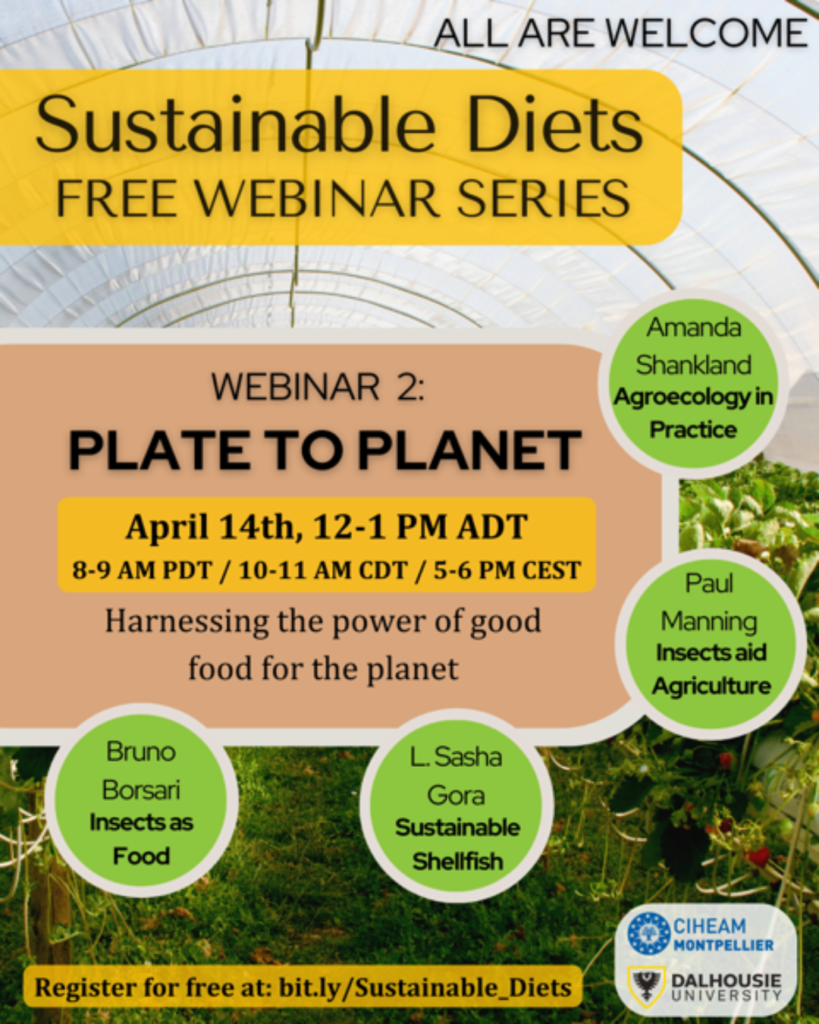
Harnessing the power of good food for the planet
Our food systems have major impacts on the environment. Luckily, researchers are studying various strategies to minimize – or even reverse – these impacts. Hear from the researchers themselves as they explain how these strategies fit into a larger vision for sustainable diets globally.
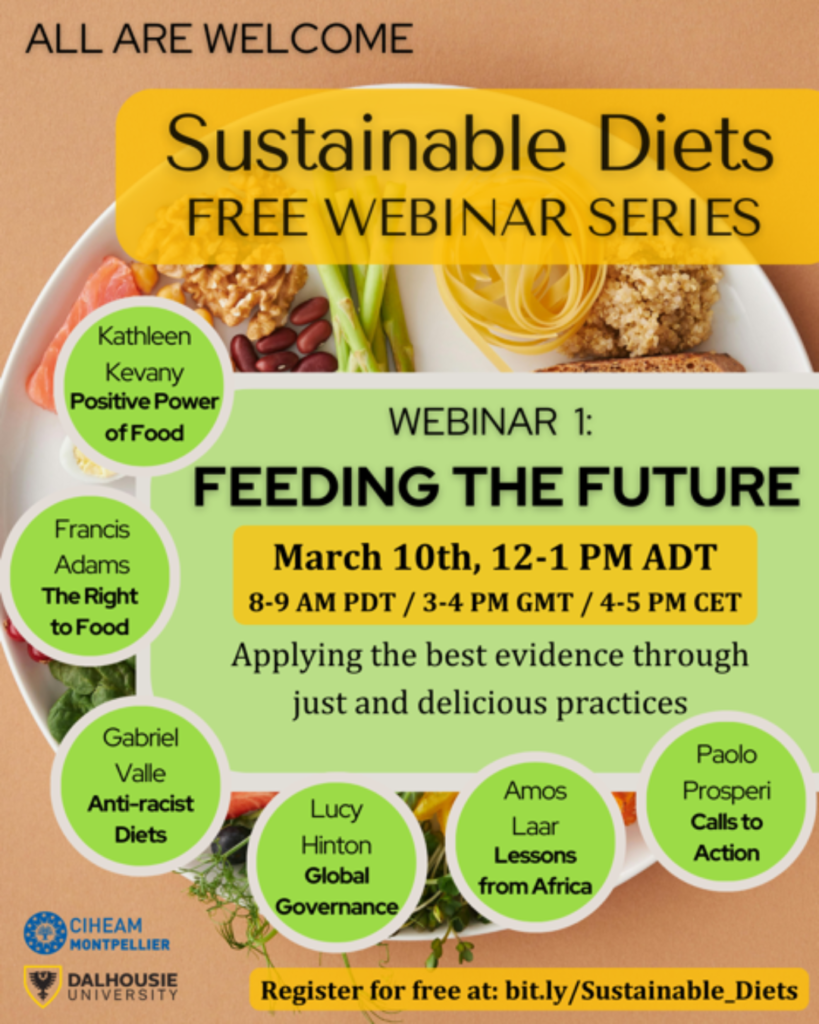
With authors from the “Framing and Vision” and “Calls to Action” sections of the Handbook, and editors Kathleen Kevany and Paolo Prosperi, we will dive into foundational questions around sustainable diets: How can they uphold the human right to food? How can they address systemic racism? Where do they fit in global governance? Hear from researchers who study these questions that are key to envisioning sustainable and just food systems.
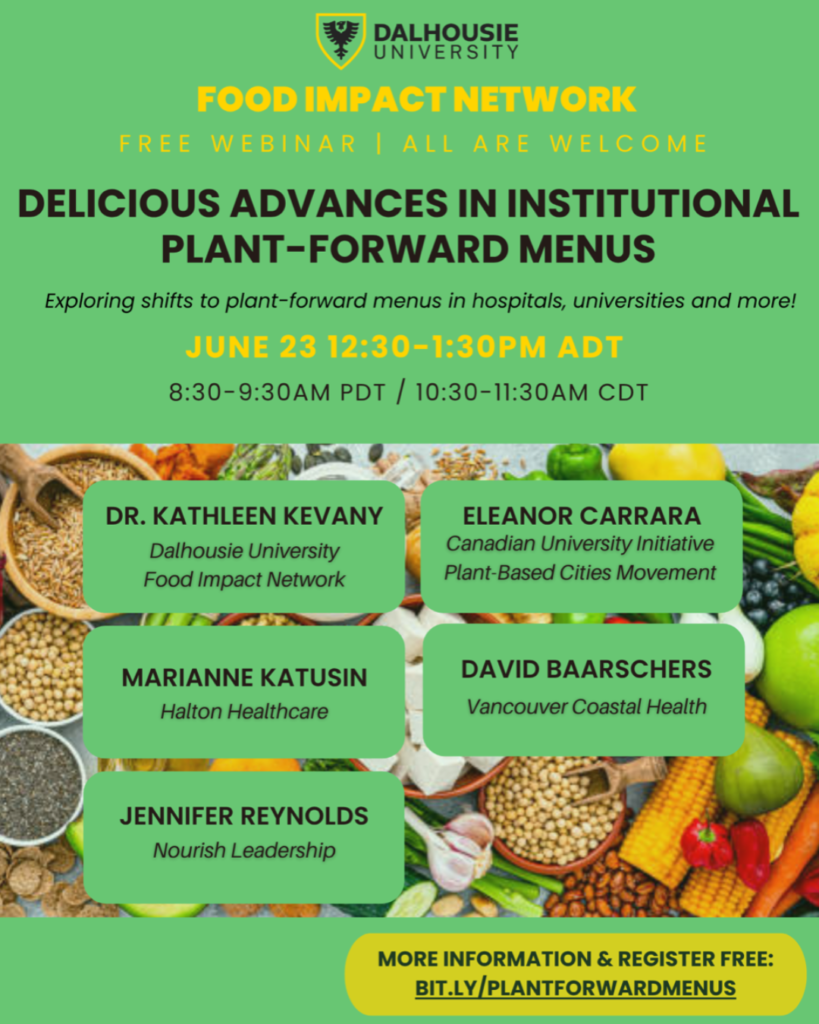
Delicious Advances in Institutional Plant-forward Menus